Meeting 53 Supply Chain Leaders Across 4 Continents in 12 Months: The Inspiration Behind Building Decklar
Meeting 53 Supply Chain Leaders Across 4 Continents in 12 Months: The Inspiration Behind Building Decklar

Meeting 53 Supply Chain Leaders Across 4 Continents in 12 Months: The Inspiration Behind Building Decklar
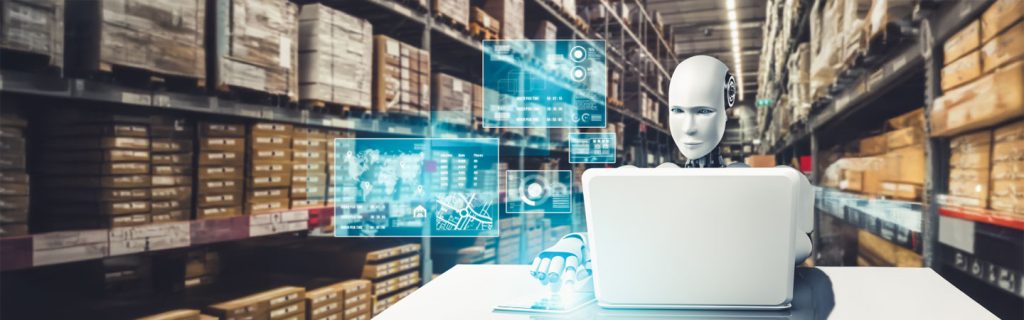
Supply Chain AI is often misunderstood as an automation engine. While AI can automate tasks, its true value lies in its ability to support a full spectrum of decisions—from tactical actions to long-term strategic planning.
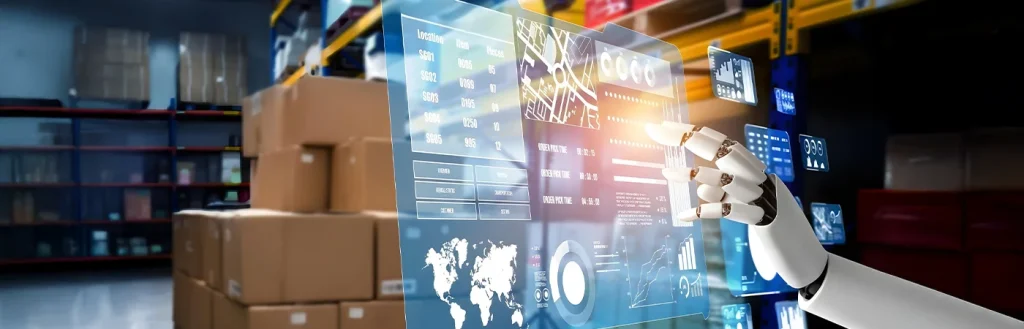
Supply chains have become highly automated, yet disruptions, delays, and manual workarounds still dominate day-to-day operations. Traditional automation delivers efficiency only through fixed workflows and fail when real-world conditions change. And in logistics, conditions are always changing.

In modern supply chain operations, the ability to make precise, real-time decisions determines whether goods flow smoothly or operations grind to a halt. Industries like retail, pharmaceuticals, and automotive require location precision not just for awareness, but to fuel downstream actions. A missed arrival window or misrouted shipment can disrupt production, compromise product quality, or result in regulatory penalties.

The SaaS industry has long relied on metrics like Annual Recurring Revenue (ARR), Monthly Recurring Revenue (MRR), Customer Lifetime Value (LTV), and churn rate to gauge business performance. While valuable, these traditional metrics fall short in one critical area: measuring the strategic value of long-term contracts.
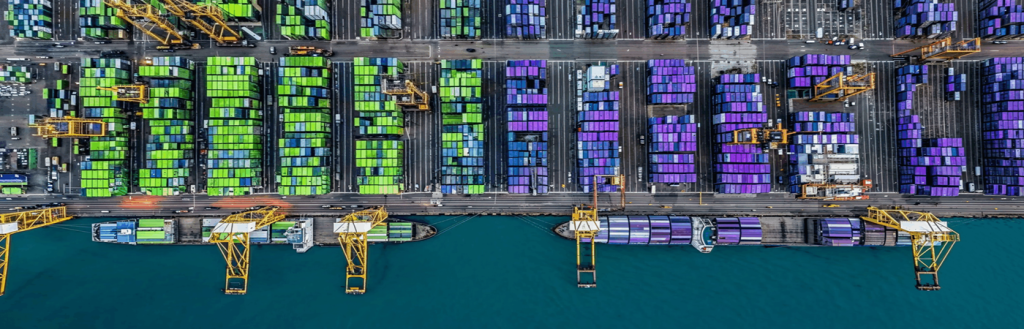
Saudi Arabia’s major ports, including King Abdulaziz Port in Dammam and King Fahd Industrial Port in Yanbu are seeing rapid increases in trade volumes. Sectors such as petrochemicals, chemicals, and food & beverage are fuelling this expansion. For instance, King Abdullah Port, ranked the most efficient port globally by the World Bank in 2023, is undergoing expansion to handle over 20 million TEUs annually. Additionally, NEOM’s Oxagon is emerging as the world’s largest floating industrial hub.

In the fast-moving world of location technology, accuracy is everything. For companies managing IoT devices, pinning down the exact position of assets often relies on GSM data, using cell tower triangulation. It’s a simple concept, but a minor misstep can cause ripple effects across entire supply chain systems.

One acronym you’ve likely seen everywhere in the latest developments in AI and agent-based systems is MCP, (Model Context Protocol). No, it’s not a new blockchain or a product from Skynet. It’s real, practical, and transforming how intelligent systems interface with tools in the real world. At Decklar, we’ve been deep in the trenches of logistics and supply chain intelligence for years, and we can confidently say: MCP is the most exciting development we’ve seen since the rise of IoT itself.
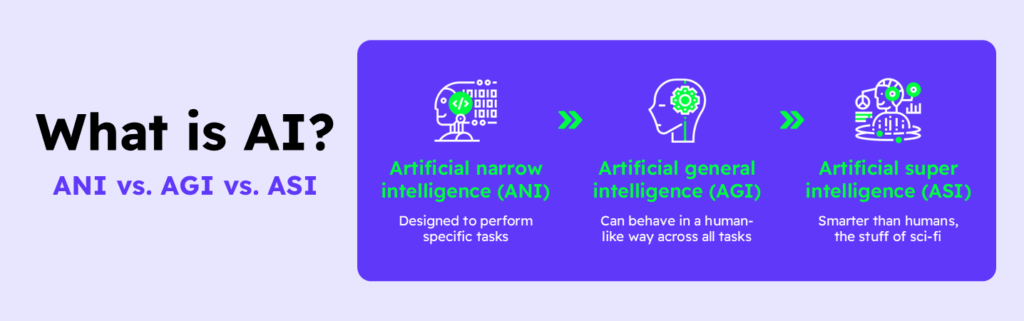
The supply chain industry stands at the brink of a revolution. Real-time decision-making solutions today, powered by narrow AI, deliver essential insights into shipment locations, asset health, and operational performance. However, these systems are limited and require manual intervention, operate in silos, and fall short of enabling fully autonomous decision-making.
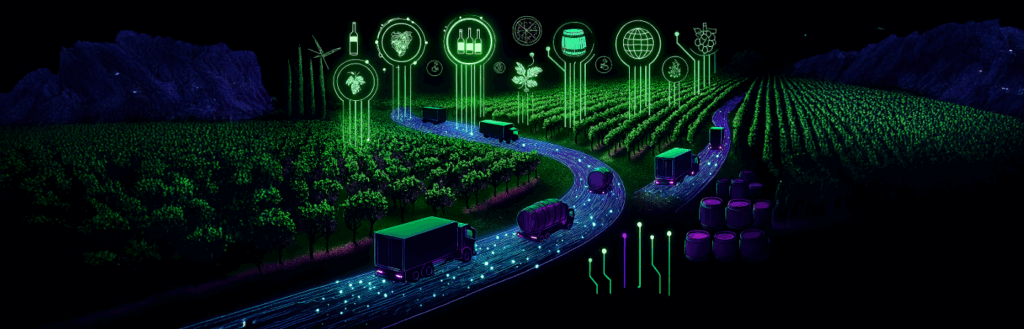
In today’s wine industry, sustainability is not just a trend. It’s a necessity. Consumers and regulators alike are demanding transparency, environmentally responsible practices, and consistent product quality. These demands present both challenges and opportunities. By adopting platforms built for real-time decision-making, global wine companies can position themselves as a trailblazer in sustainable supply chain management, unlocking operational efficiency and environmental performance.